Microbiology
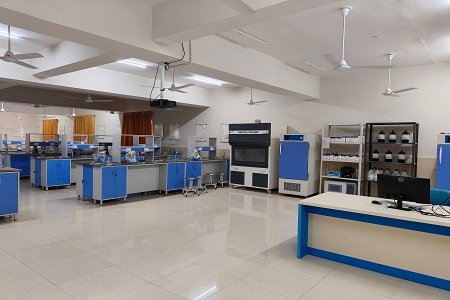
The Department of Microbiology is a vital pillar of modern healthcare, dedicated to the study of microorganisms including bacteria, viruses, fungi, and parasites that influence human health and disease. The department plays a crucial role in the early detection, accurate diagnosis, prevention, and management of infectious diseases through advanced laboratory services and scientific expertise.
The department provides comprehensive microbiological diagnostic support to clinicians, enabling timely and evidence-based treatment decisions. With the use of modern diagnostic technologies, automated systems, and standardized laboratory practices, the department ensures precise identification of pathogens and supports effective antimicrobial therapy and infection management.
Special emphasis is placed on infection prevention and control through strict sterilization protocols, biomedical waste management, and continuous surveillance of hospital-acquired infections. The department actively contributes to patient safety, public health, academic excellence, and multidisciplinary healthcare services.
Facilities & Services
Clinical Microbiology Laboratory :
Advanced laboratory facilities for the identification and analysis of bacterial, viral, fungal, and parasitic infections.
Culture and Sensitivity Testing :
Diagnostic testing to identify infectious organisms and determine appropriate antimicrobial therapy.
Infection Control Services :
Monitoring and prevention of hospital-acquired infections through sterilization protocols and surveillance programs.
Serology and Immunology Testing :
Laboratory investigations for the detection of infectious diseases using antigen and antibody-based techniques.
Biomedical Waste Management :
Implementation of safe biomedical waste disposal practices in accordance with healthcare safety standards.
Academic Teaching and Training :
Comprehensive education programs focusing on infectious diseases, laboratory diagnosis, and microbiological techniques.
Research and Innovation :
Support for microbiological research, antimicrobial resistance studies, and advancements in diagnostic technologies.
Case-Based and Practical Learning :
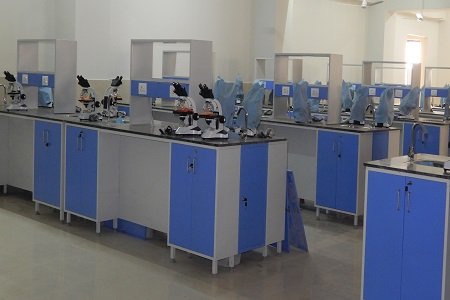
Modern teaching methodologies including practical demonstrations, simulations, and clinical case discussions to enhance student learning.
The department also plays a significant role in interdisciplinary healthcare by collaborating with clinicians and public health teams to control infections and improve patient outcomes. Through quality diagnostics, research, and education, the department contributes substantially to modern medical practice and healthcare safety.