Emergency Medicine
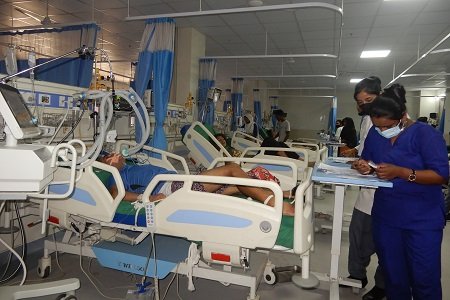
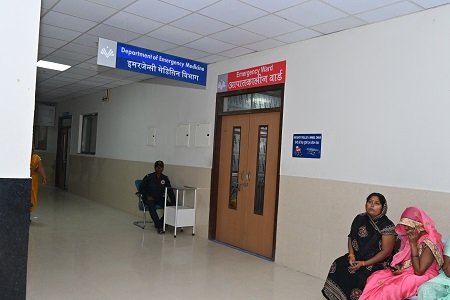
The Department of Emergency Medicine provides immediate and comprehensive medical care for patients with acute illnesses, injuries, trauma, and life-threatening conditions. The department operates кругл the clock to ensure rapid assessment, stabilization, and treatment of patients requiring urgent medical attention.
Emergency Medicine focuses on the early diagnosis and prompt management of critical conditions such as cardiac emergencies, respiratory distress, stroke, poisoning, trauma, burns, and severe infections. The department is equipped with advanced monitoring systems, resuscitation facilities, and emergency diagnostic support to handle medical and surgical emergencies efficiently.
The department works in close coordination with specialties including critical care, surgery, orthopedics, cardiology, neurology, radiology, and anesthesiology to provide multidisciplinary emergency care. A trained team of emergency physicians, nurses, and support staff ensures rapid intervention and continuous patient monitoring.
Treatment & Procedures
Trauma and Accident Care :
Emergency management of road traffic accidents, fractures, head injuries, and multiple trauma cases.
Cardiac Emergency Management :
Immediate treatment for heart attacks, chest pain, arrhythmias, and cardiac arrest.
Critical Care Stabilization :
Rapid stabilization of critically ill patients requiring urgent monitoring and life-support measures.
Stroke and Neurological Emergency Care :
Evaluation and emergency treatment for stroke, seizures, unconsciousness, and neurological disorders.
Respiratory Emergency Management :
Treatment for asthma attacks, respiratory distress, airway obstruction, and breathing difficulties.
Poisoning and Toxicology Care :
Management of poisoning, drug overdose, chemical exposure, and toxic emergencies.
Burn and Wound Management :
Emergency care for burns, cuts, lacerations, and soft tissue injuries.
Emergency Procedures :
Procedures including airway management, intubation, suturing, resuscitation, and emergency life support.
The department also emphasizes rapid response systems, patient safety, disaster preparedness, and emergency training programs. In addition to patient care, it plays an important role in clinical education and skill development in emergency and critical care medicine.